Nylon 6 Tyre Cord Fabric, often referred to as Nylon 6 Tyre Cord or Nylon 6 Tire Cord Fabric in industry articles and blogs, is an essential component in the tire manufacturing industry in Malaysia.
Known for its exceptional strength, durability, and flexibility, it reinforces rubber in tires, providing enhanced performance, longevity, and stability. As the demand for high-performance tires continues to rise in various sectors—from automotive to aviation—the supply of Nylon 6 Tyre Cord Fabric has become increasingly crucial.
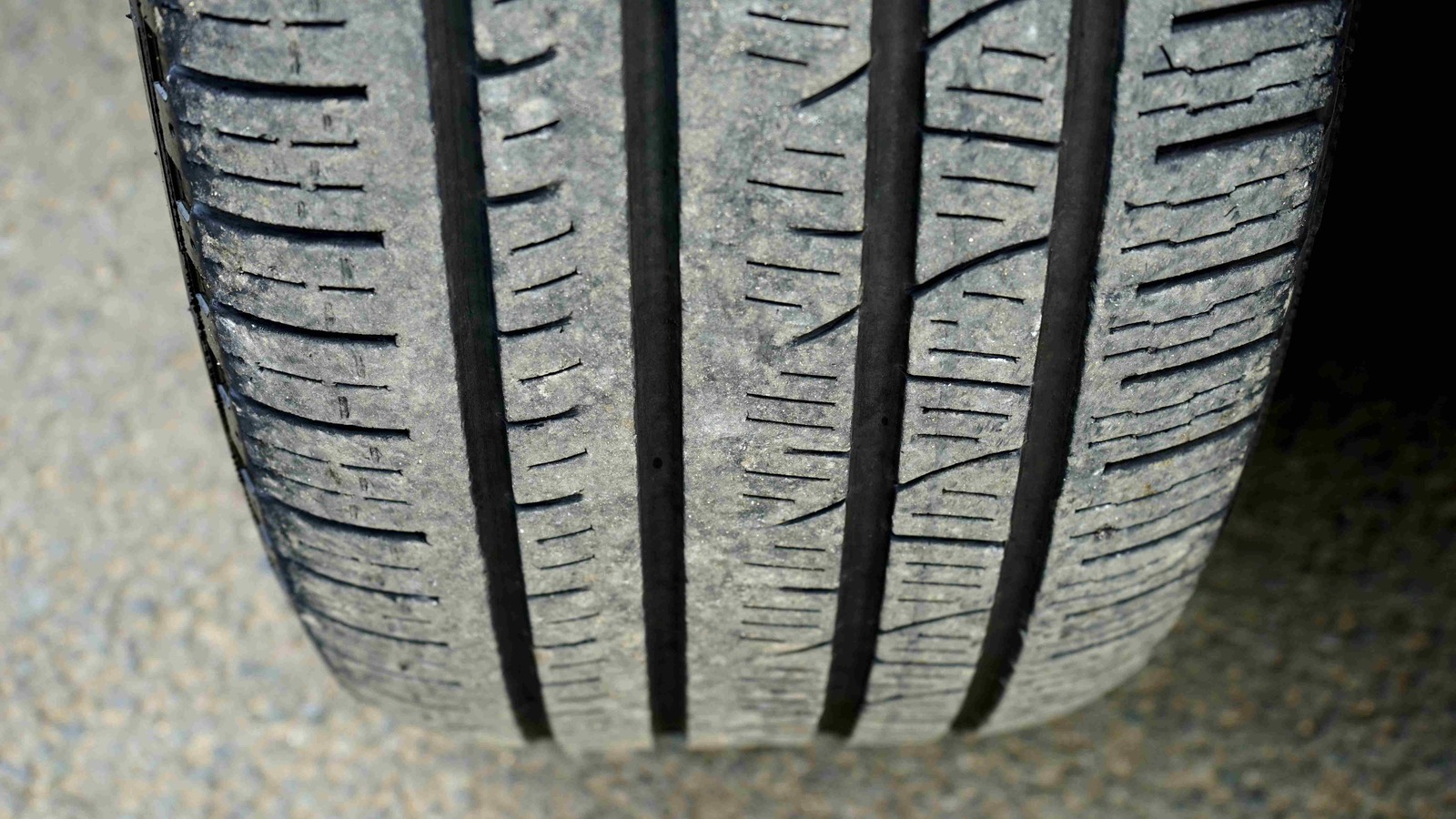
Nylon 6 Tyre Cord Fabric Supply Chain Challenges
The supply of Nylon 6 Tyre Cord Fabric is a multi-step process, involving raw material procurement, spinning, dipping, and quality control to meet stringent industry standards. The primary material used in Nylon 6 Tyre Cord is caprolactam, which undergoes polymerization to form the strong Nylon 6 fibers. These fibers are then spun into cords, treated, and coated with specialized solutions, a process known as “dipping,” to enhance adhesion with rubber in tire production.
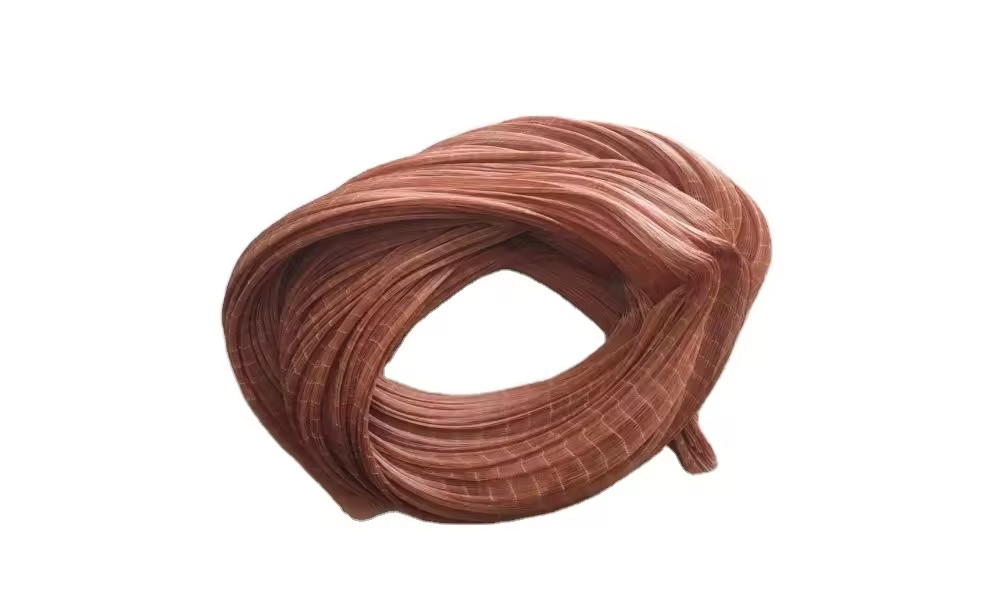
- Raw Material Availability
The main ingredient, caprolactam, is subject to price fluctuations due to factors such as global demand, petroleum costs, and supply disruptions. This variability can affect the overall supply chain, impacting production costs and the availability of Nylon 6 Tyre Cord Fabric. - Quality Control in the Dipping Process
The “dipping” process, where the nylon fibers are coated to improve adhesion, is crucial for product quality. However, any inconsistency can lead to issues with durability and performance. As a result, suppliers invest in advanced machinery and technologies to ensure that quality control remains a priority. - Logistics and Transportation
Nylon 6 Tyre Cord Fabric is produced globally, with significant manufacturing hubs in Asia. Transporting materials across countries can lead to delays, affecting delivery timelines for tire manufacturers. Shipping restrictions, regulatory hurdles, and port congestion all add complexity to the logistics chain. - Demand Volatility
The tire industry’s demand for Nylon 6 Tyre Cord Fabric fluctuates based on market conditions, especially in the automotive sector. Economic conditions, the rising popularity of electric vehicles (which require specialized tires), and geopolitical factors can all impact demand, adding unpredictability to the supply chain.
Key Industry Trends on Nylon 6 Tyre Cord production
Sustainability Initiatives
More manufacturers are exploring eco-friendly alternatives, such as bio-based caprolactam, to reduce the environmental footprint of Nylon 6 Tyre Cord production. However, the cost and scalability of these sustainable options are still under evaluation.
Digital Transformation
Digital tracking and automation are revolutionizing the supply chain, helping manufacturers manage demand fluctuations, track shipments, and ensure quality standards. Blockchain technology is also considered for transparent supply chain tracking to enhance supplier accountability.

Ample Worldwide: Your Partner for Sustainable Supply Chain Excellence
In a rapidly evolving market like the automotive and tire industries, the supply chain for Nylon 6 Tyre Cord Fabric must remain agile and forward-thinking to meet industry demands. Manufacturers are increasingly focused on innovation, streamlining logistics, and ensuring quality to stay competitive. This aligns closely with Ample Worldwide’s mission to not only deliver excellent results to customers but also to drive sustainable growth. By prioritizing global reach, operational efficiency, and exceptional outcomes, Ample Worldwide is a trusted choice for those seeking a resilient and quality-driven supply chain partner in the Nylon 6 Tyre Cord Fabric industry.

