Rubber accelerators play a crucial role in Malaysia’s rubber industry, particularly in the production of tires and other rubber goods. As one of the world’s leading producers of natural rubber, Malaysia has a well-established rubber manufacturing sector that relies heavily on rubber accelerators to enhance the efficiency and performance of vulcanization—the process that strengthens rubber.
Without accelerators, this process would take significantly longer and would be less efficient. In recent years, the rubber accelerators market has faced numerous challenges, particularly related to supply chains. As the rubber industry is tightly interlinked with global trade, any disruptions to the supply of rubber accelerators can have wide-reaching effects.
Types of Rubber Accelerators
Rubber accelerators are categorized into different classes based on their chemical composition and performance, such as:
- Thiazoles (e.g., MBT, MBTS): Commonly used in the production of tires due to their balance between processing safety and acceleration speed.
- Sulfenamides (e.g., CBS, TBBS): Known for their delayed action and high curing efficiency, also frequently used in tire production.
- Guanidines, Thiurams, Dithiocarbamates: Typically used in smaller quantities for various specialized applications.
Each type of accelerator has its own performance characteristics and is selected based on the requirements of the specific rubber product being manufactured.
Manufacturer Supply Challenges
Raw Material Shortages – Most rubber accelerators are derived from petrochemical-based raw materials. The volatility in crude oil prices, supply disruptions in chemical feedstocks, and geopolitical tensions affecting oil-producing regions have all contributed to the fluctuating availability and cost of these raw materials. Manufacturers of rubber accelerators face the added pressure of maintaining steady production amidst these challenges.

Regulatory Constraints – Environmental and safety regulations have tightened, especially in major producing countries like China, which is a leading manufacturer of rubber chemicals. Strict environmental regulations have led to temporary shutdowns or forced operational changes in plants producing accelerators, further squeezing supply. Compliance with these regulations can also lead to increased production costs, impacting pricing downstream.
Global Trade Disruptions – The rubber accelerators supply chain is global, with key production centers located in China, India, and parts of Southeast Asia. Trade restrictions, tariffs, and transport disruptions, especially during the COVID-19 pandemic, have caused significant delays in the shipment of rubber chemicals. While trade has resumed, the lingering effects of logistical disruptions, including container shortages and high shipping costs, continue to affect the timely delivery of products.
Growing Demand in the Automotive Industry – The automotive industry is a major consumer of rubber products, particularly tires. The ongoing demand for electric vehicles (EVs) is pushing manufacturers to innovate in tire production, leading to an increase in demand for specialized rubber compounds and, by extension, accelerators. As the EV market expands, the need for specific types of accelerators that meet higher performance and environmental standards is expected to rise.

Shift to Sustainable Alternatives – In response to environmental concerns, the industry is also exploring more sustainable accelerator alternatives. This shift, while positive for long-term environmental goals, introduces uncertainty in the short term as manufacturers and end-users evaluate the effectiveness, cost, and supply chain reliability of these newer materials.
Key Players and Future Outlooks from Ample Worldwide Sdn Bhd
China remains a dominant player in the production and supply of rubber accelerators, controlling a large portion of the global market. India, Southeast Asia, and the United States are also significant players. However, dependence on a few countries for supply makes the market vulnerable to regional disruptions.
The global rubber accelerator market is expected to grow steadily, driven by the expansion of industries such as automotive. In conclusion, while rubber accelerators remain indispensable to the rubber industry, the complexities of the global supply chain and external market forces will play a significant role in shaping their availability and pricing in the future. Manufacturers and suppliers that can adapt to these challenges will be well-positioned to capitalize on the growing demand for rubber products across industries.
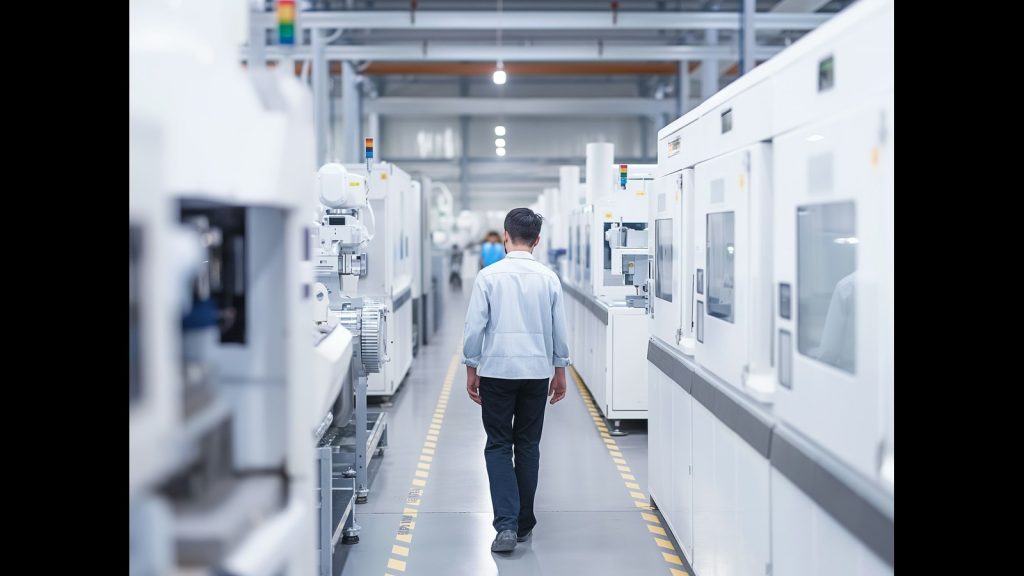
Ample Worldwide, with its strategic pillars of outperforming competitors, globalizing its presence, simplifying processes, and inspiring innovation, is well-positioned to capitalize on these trends. By staying adaptable and fostering collaboration within the industry, Ample Worldwide is prepared to meet future challenges and play a key role in shaping the future of rubber accelerators on the global stage.

