In today’s rapidly evolving world, eco-friendliness has become a central focus across industries. In Malaysia, environmental concerns have intensified and the demand for eco-friendly materials has surged, leading to innovations in various fields. Silicone rubber, a material known for its durability, flexibility, and resistance to extreme conditions, is transforming manufacturers, and researchers are seeking to make it more environmentally friendly. This article delves into the advancements in eco-friendly silicone rubber and its potential to offer sustainable solutions for the future.

The Impact of Traditional Silicone Rubber on the Environment
Silicone rubber has been widely used in automotive, medical, electronics, and consumer goods industries due to its excellent thermal stability, electrical insulation properties, and biocompatibility. However, traditional silicone rubber production is not without environmental drawbacks.
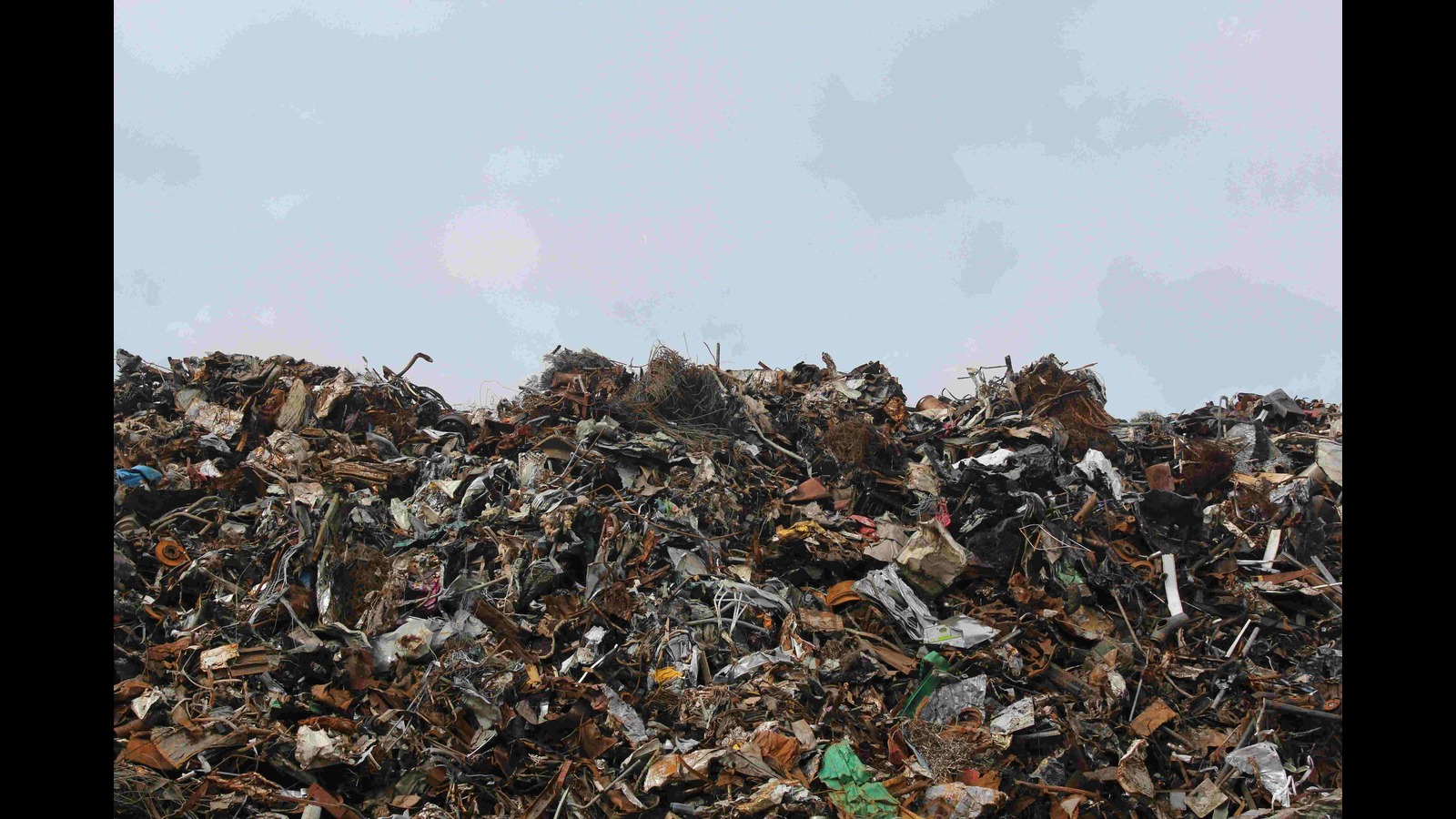
The manufacturing process for silicone rubber involves the extraction of silicon from silica, typically found in sand, which is then chemically processed and combined with other elements to create the final product. This process can be energy-intensive and may involve the use of hazardous chemicals. Additionally, silicone rubber is not biodegradable, leading to concerns about its long-term environmental impact when discarded.
These challenges have prompted the development of eco-friendly alternatives that retain the beneficial properties of silicone rubber while reducing its environmental footprint.

Bio-Based Silicone Rubber: A Renewable Alternative
One of the most promising developments in the quest for eco-friendly silicone rubber is the creation of bio-based silicone rubber. Traditional silicone rubber is derived from fossil fuels, which are finite and contribute to carbon emissions during extraction and processing. In contrast, bio-based silicone rubber is produced using renewable raw materials, such as plant-derived silica or other organic compounds.
By replacing petroleum-based feedstocks with renewable resources, bio-based silicone rubber significantly reduces the reliance on fossil fuels and lowers the carbon footprint of production. Additionally, the use of plant-based materials in the production process can contribute to a more sustainable supply chain, as these materials are often grown and harvested with lower environmental impact compared to traditional extraction methods.
Bio-based silicone rubber holds a great potential for reducing the environmental impact of silicone rubber production without sacrificing performance.
Recycling and Reuse: Closing the Loop on Silicone Rubber
Another critical aspect of making silicone rubber more sustainable is the development of effective recycling and reuse processes. Traditionally, silicone rubber has been challenging to recycle due to its cross-linked structure, which is difficult to break down for reuse.
Recent advancements in chemical recycling techniques have made it possible to depolymerize silicone rubber back into its monomer components, which can then be reprocessed into new silicone rubber products. This approach reduces waste and conserves resources by enabling the continuous use of the same material in multiple cycles.
Mechanical recycling methods, which involve grinding down silicone rubber into fine particles that can be blended with new material offer a practical way to recycle post-industrial and post-consumer silicone rubber waste, reducing the need for virgin materials.
By improving recycling and reuse, the silicone rubber industry can move toward a circular economy, where materials are continuously cycled back into production rather than ending up in landfills.
Additive Manufacturing and Silicone Rubber: Reducing Waste in Production
The rise of additive manufacturing, or 3D printing, has introduced new opportunities for sustainable silicone rubber production. Traditional manufacturing processes often result in significant material waste due to the need for excess material in molding, cutting, or shaping components. In contrast, 3D printing allows for precise, layer-by-layer construction of parts, minimizing waste by using only the material necessary to create the final product.
Recent innovations have led to the development of silicone rubber formulations specifically designed for 3D printing. These formulations maintain the desirable properties of traditional silicone rubber while allowing for more efficient and sustainable production methods. By adopting additive manufacturing techniques, industries can reduce both material waste and energy consumption, contributing to a more sustainable production process.

Eco-Friendly Additives: Enhancing Performance with Less Impact
The incorporation of eco-friendly additives into silicone rubber formulations is another strategy for reducing environmental impact. These additives can improve the material’s performance while being derived from renewable or less harmful sources.
For example, natural fillers such as cellulose fibers, clay, or plant-based nanoparticles can be used to reinforce silicone rubber, enhancing its strength, thermal stability, or other properties. Unlike traditional fillers that may be derived from non-renewable resources or require energy-intensive processing, these natural additives offer a more sustainable alternative. By replacing hazardous chemicals with greener alternatives, manufacturers can minimize pollution and health risks associated with silicone rubber production.
Ample Worldwide’s Approach on Sustainability
The evolution of silicone rubber into an eco-friendly material reflects the broader trend toward sustainability in manufacturing and materials science. From bio-based alternatives to advanced recycling techniques and additive manufacturing, the innovations in silicone rubber are paving the way for a greener, more sustainable future. Ample Worldwide’s vision is to become the Southeast Asia leader in brands and technologies.
Apart from putting our customers at the center of what we do, we are also committed to being a leading company in sustainability. As industries continue to seek out materials that meet the dual demands of performance and environmental responsibility, eco-friendly silicone rubber is set to become an increasingly important part of the solution.

