Silicone or Silicone Rubber is a man-made material composed of silicon, oxygen, carbon, and hydrogen. Known for its unique properties, it has become a staple across various industries. At Ample Worldwide, we are thrilled to lead this transformation by supplying high-quality silicone to meet the evolving industrial demands of Malaysia. Let’s explore silicone’s usage and its relationship with rubber as well as its advantages in various industries below.
Silicone and rubber share several differences but also have their distinct characteristics. Both materials have rubber-like characteristics, which means they can stretch and return to their original shape. If silicone is used in similar applications as traditional rubber, silicone excels in environments with extreme temperatures or chemical exposure.
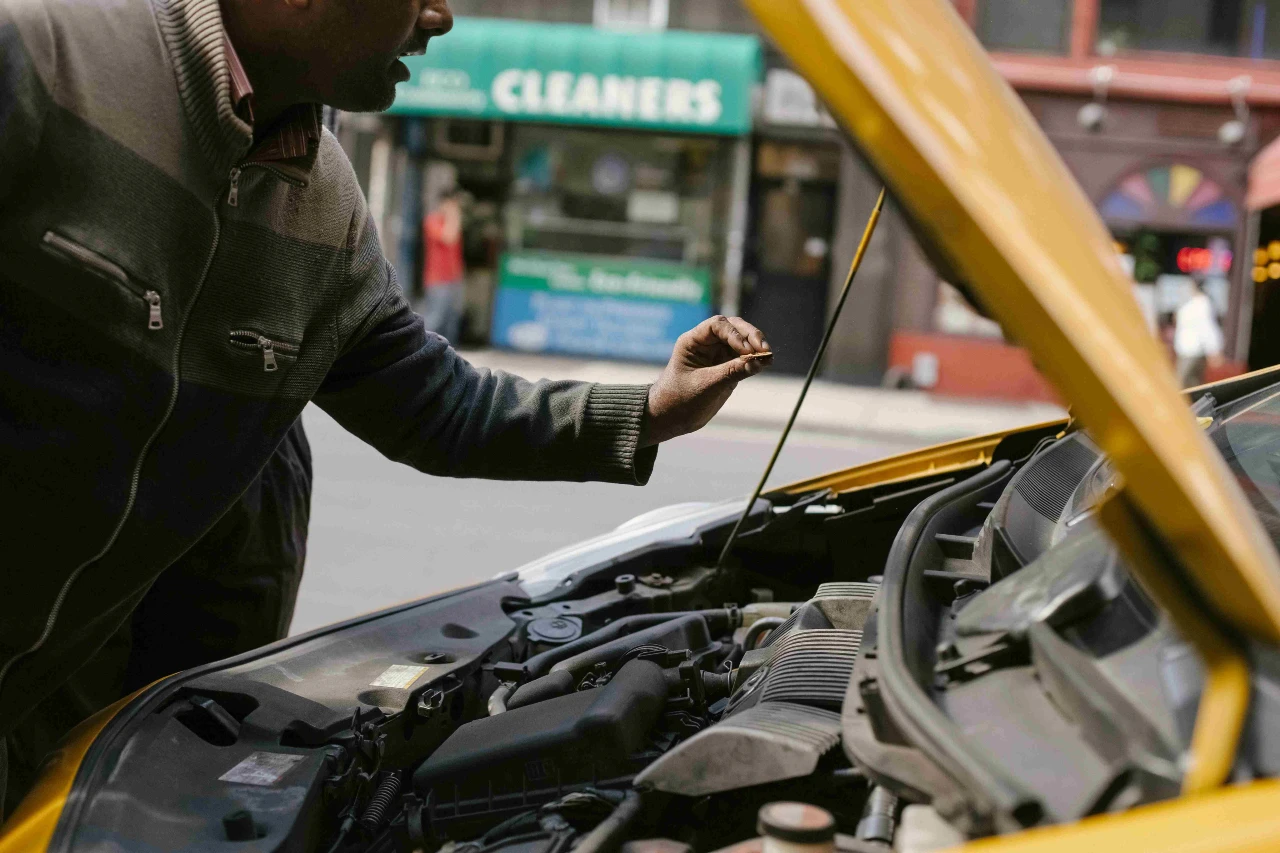
Silicone in the Automotive Industry
Silicone is widely used in the automotive industry as it can withstand high temperatures and is very durable. It is used in gaskets and seals to ensure engine components remain leak-proof and as a sealing solution to prevent water and dust from entering door and window seals. Reliable performance from silicone is ensured in engine compartments and under-the-hood applications while rubber is commonly used in tires, belts, and general seals where it does not need extreme temperature resistance. Silicone is also used as a protective coating against corrosion and wear since it can withstand harsh conditions. Besides that, it is also used to enhance a vehicle’s comfort and performance by reducing vibration and noise in engine mounts and absorbing shocks and vibrations.
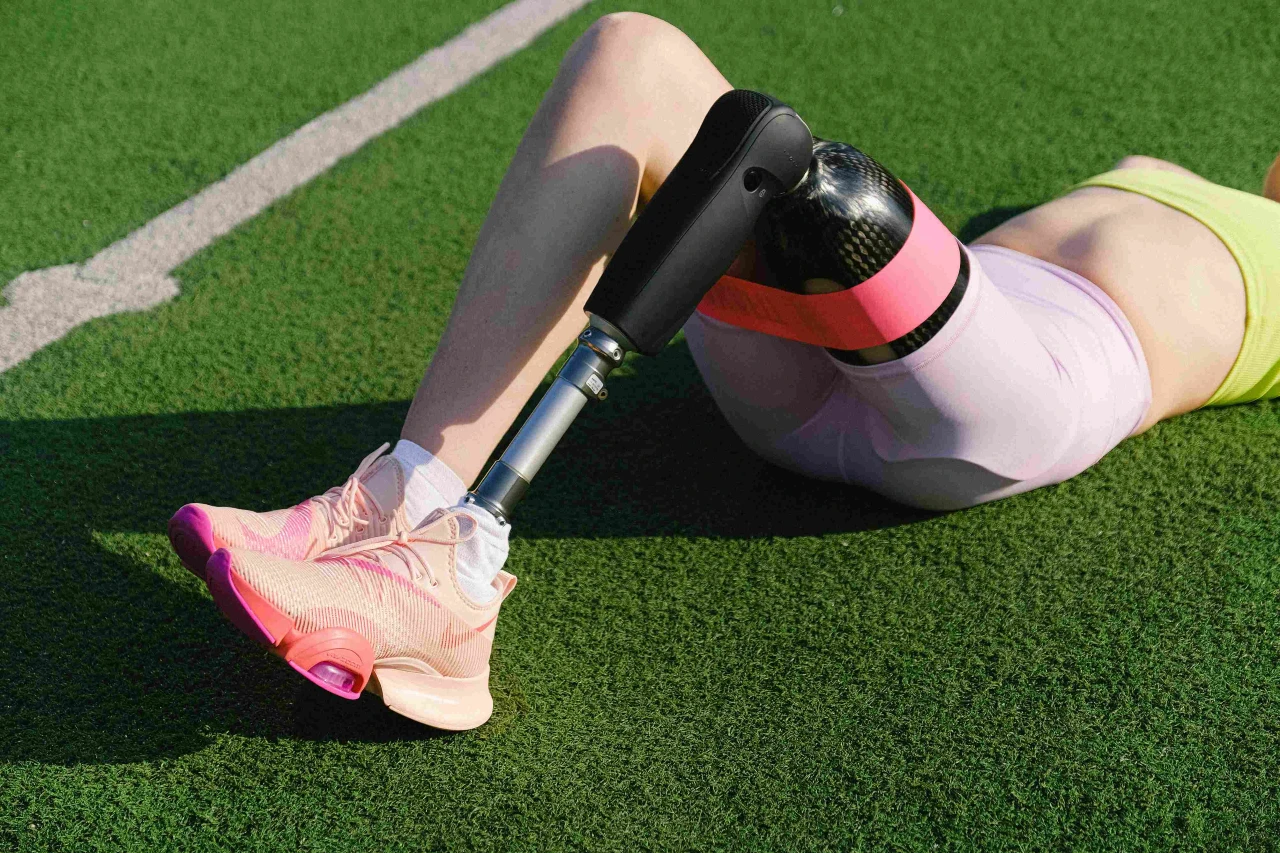
Applications of Silicone in Medical and Healthcare Devices
The medical and healthcare industry uses silicone extensively due to its biocompatibility, chemical stability, and resistance to temperature variations. They are commonly used in medical implants such as for the shell and filling in breast implants due to their natural feel and compatibility with body tissues. Silicone is also used in some joint replacement components as it can withstand mechanical stress within the body, providing cushioning and reducing friction to alleviate pain in patients with foot and leg issues. Rubber, however, is used in medical gloves and some non-implantable devices where biocompatibility is less critical. Silicon’s flexibility and its resistance to bacteria make it ideal for IV tubing and as catheters to ensure patient comfort and minimize the risk of infection.
Electronics Industry
Silicone is used broadly in the electronics industry since it has excellent thermal stability, electrical insulating properties, and flexibility. Thermal pads that use silicone-based thermal interface materials (TIMs) are used to enhance heat transfer between electronic components and heat sinks to ensure efficient cooling. Silicone are heat-resistant insulators used in wires and cables providing great electrical insulation and protecting wiring in high-temperature environments. In electronics applications where more general insulation is required, rubber is used instead as high thermal stability is less of a concern. Silicone is also used to protect electronics from moisture, dust, and other environmental factors, ensuring reliable connections such as our daily wearable devices like fitness trackers and smartwatches. The silicone provides comfort and is resistant to sweat and water.

Usage of Construction-Related Work
Due to its weather resistance and flexibility, silicone is employed in sealants, adhesives, and coatings. Silicone is used to seal expansion and contraction joints, providing flexibility and maintaining airtight seals despite structural movements. The flexible characteristic of silicone allows movement and prevents cracks in tiles and other flooring materials. It can also be used to seal gaps around window and door frames to prevent water and air infiltration which can protect the structure from damage and extend its lifespan. Rubber, however, is used in roofing membranes and other applications where flexibility and durability are needed but extreme weather resistance is less critical. The most common usage of silicon is in plumbing systems which can ensure watertight connections and prevent leaks in bathrooms. Other than that, it can also be used to reduce noise transmission between rooms and from outside in acoustic insulation materials, enhancing building comfort.
Unlocking the Benefits of Silicon: Ample Worldwide’s Mission
Silicone can withstand extremely high heat or freezing low temperatures without losing its properties. It also remains flexible over a wide range of temperatures making it highly durable for dynamic applications. Ample Worldwide’s mission is to deliver exceptional results to our customers while ensuring the sustainability of our business and operations. Our team is dedicated to agility, resilience, effective communication, and customer-centric practices, all aimed at providing outstanding value.

We ensure our materials meet the highest standards through rigorous testing, guaranteeing consistent performance in end products. Additionally, we offer exceptional support by providing timely assistance, addressing inquiries, and ensuring smooth collaboration throughout the supply chain. Choose Ample Worldwide for unparalleled quality and service.

